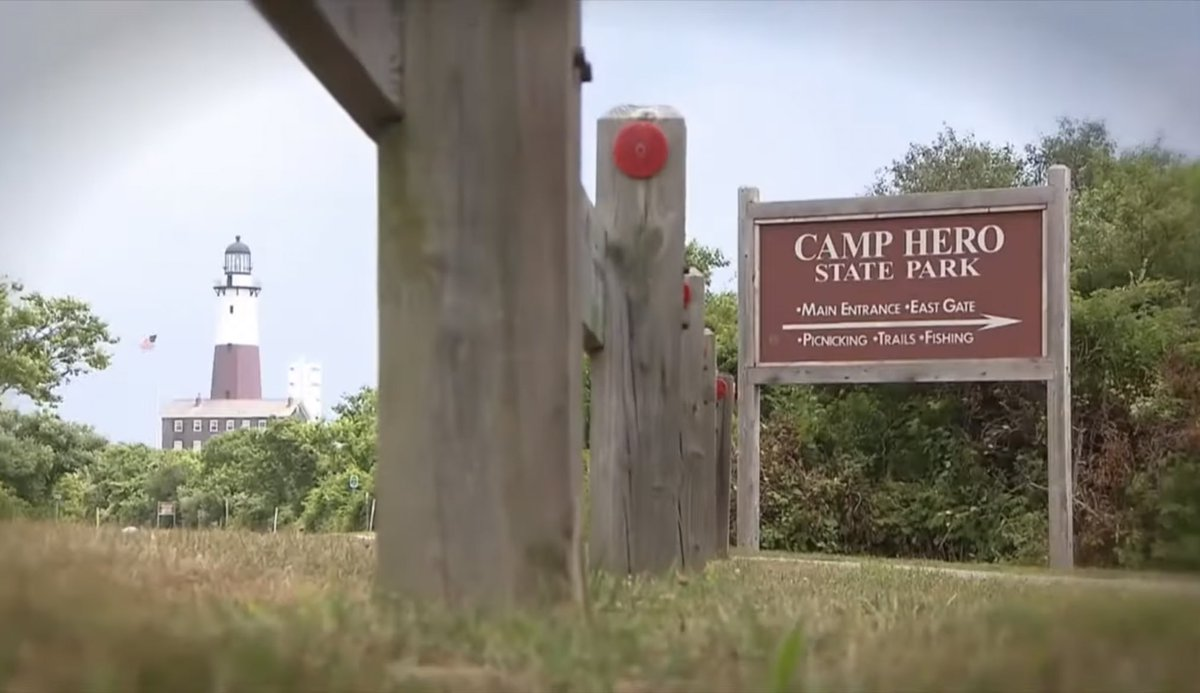
At the easternmost tip of Long Island stands Camp Hero—a decommissioned military installation whose history includes camouflage structures designed to resemble a fishing village, a church, and a windmill. To generations of Long Island teenagers who entered through breaches in its abandoned bunkers, it became the epicenter of the Montauk Project legend—one of the world’s most enduring paranormal legends and a story often associated with the cultural phenomenon surrounding Stranger Things.
Montauk: Off the Record investigates the real history behind the legend through the voices of those connected to Camp Hero and the stories that have surrounded it for decades.
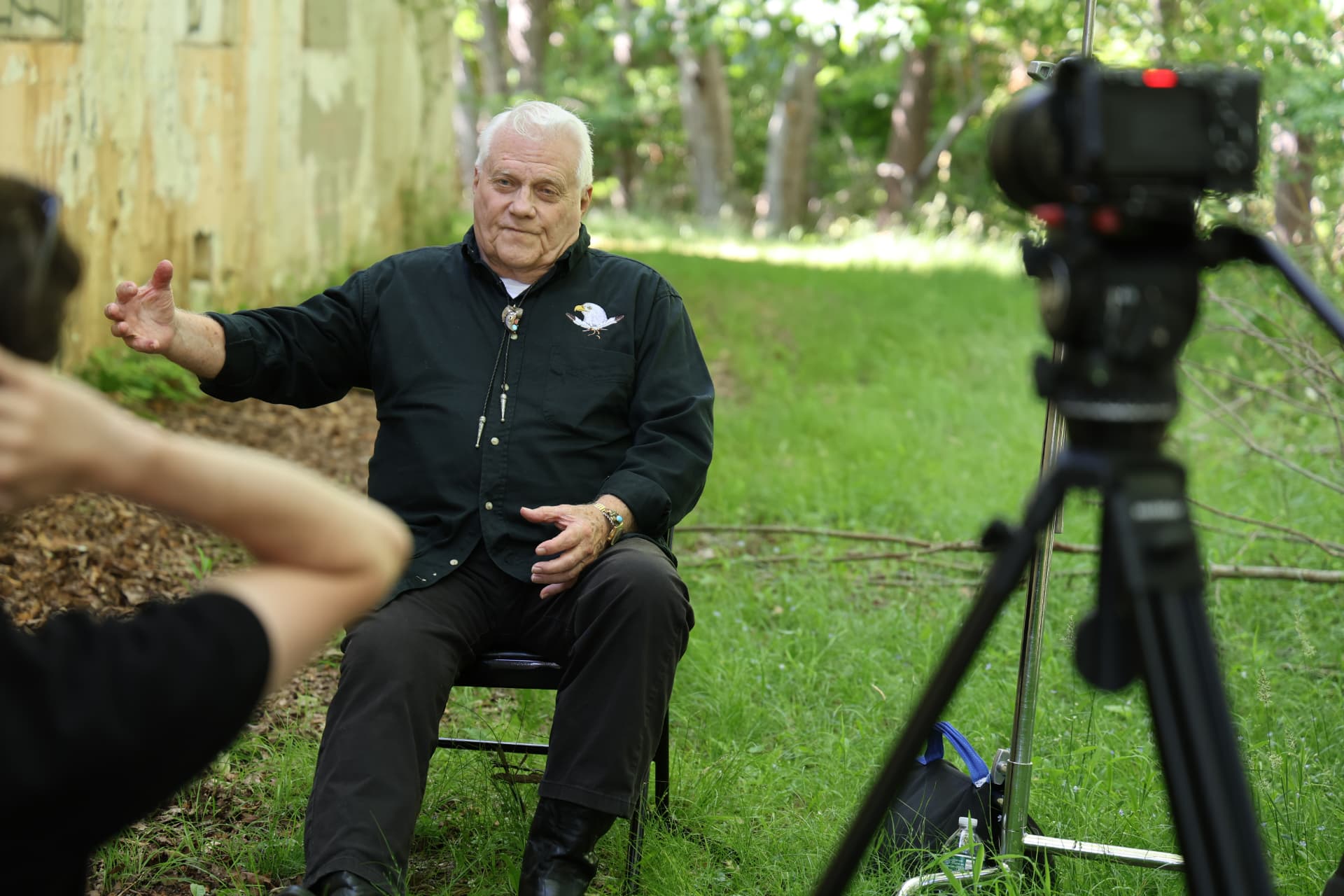
In the early 1960s, military veteran Dean Philippe enlisted in the United States Air Force to avoid the draft. Assigned to the 773rd Radar Squadron, he served as a cook at Montauk Air Force Station from 1961 to 1965. The Cold War-era radar facility would later become known as Camp Hero, and his service there included the 1962 Cuban Missile Crisis. More than six decades after serving at the installation, Dean, now in his eighties, returns to the base that shaped a pivotal chapter of his life. As he walks its grounds, a forgotten memory surfaces—the name of a friend he hadn’t thought about in more than 40 years.
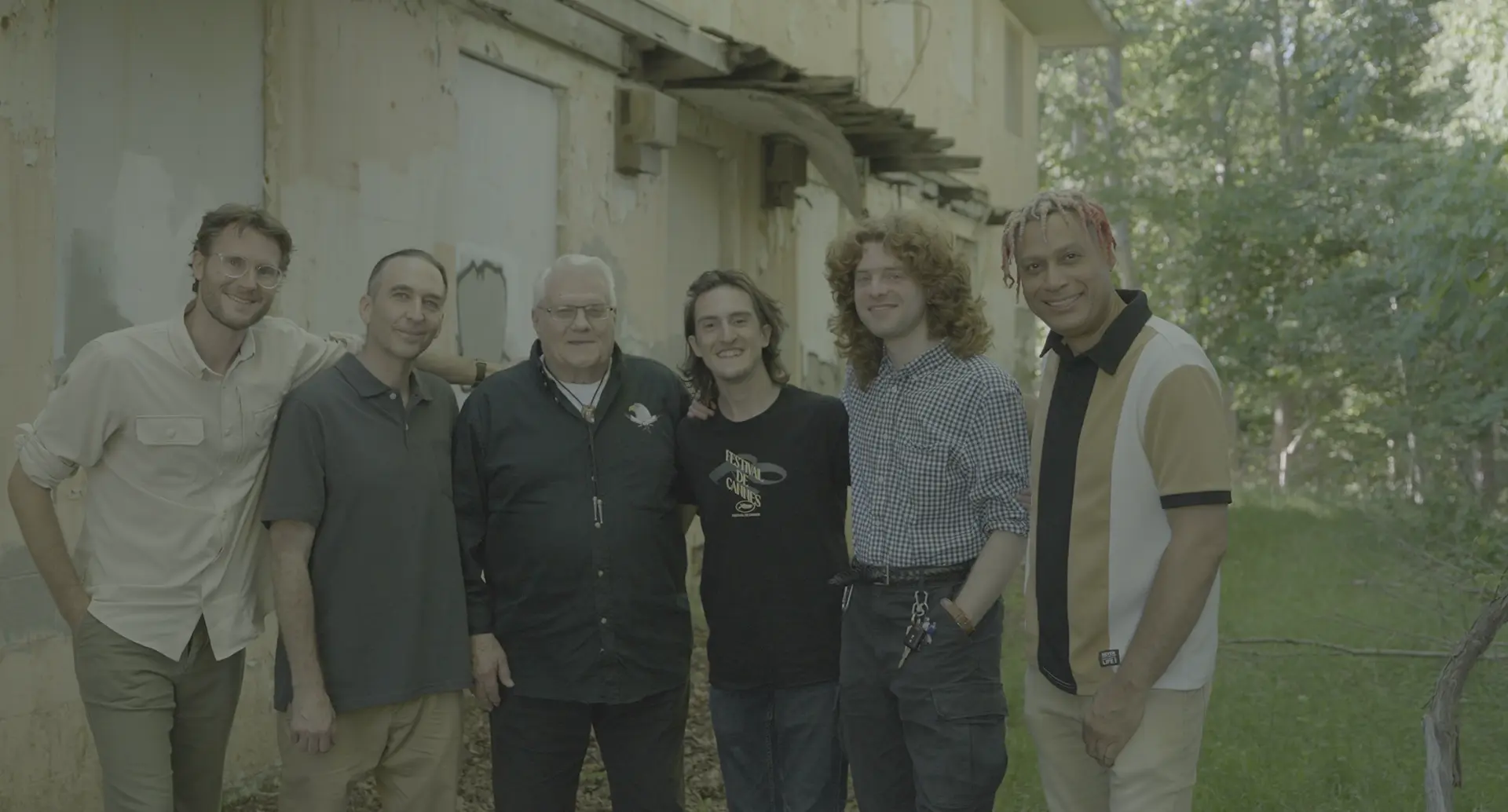
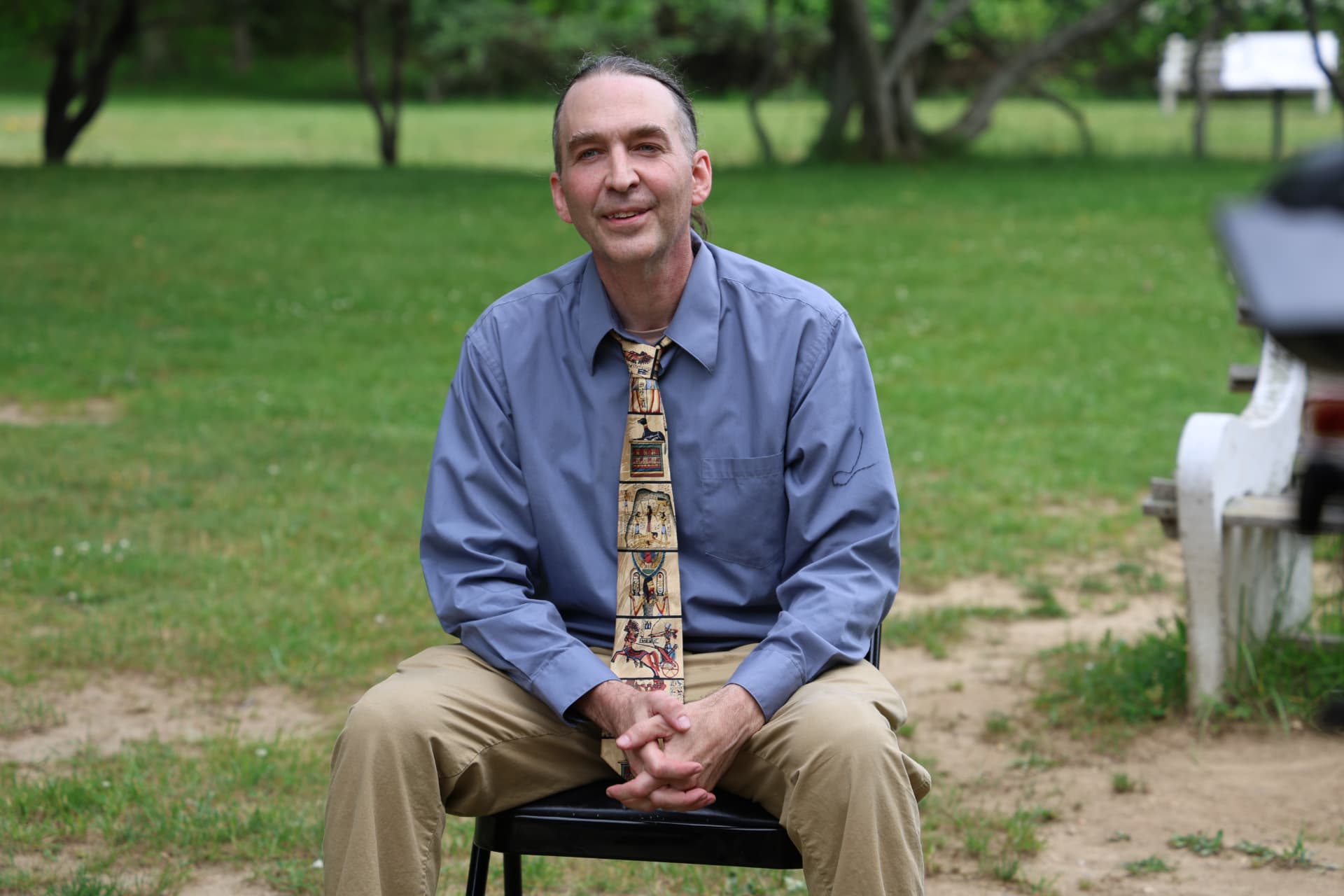
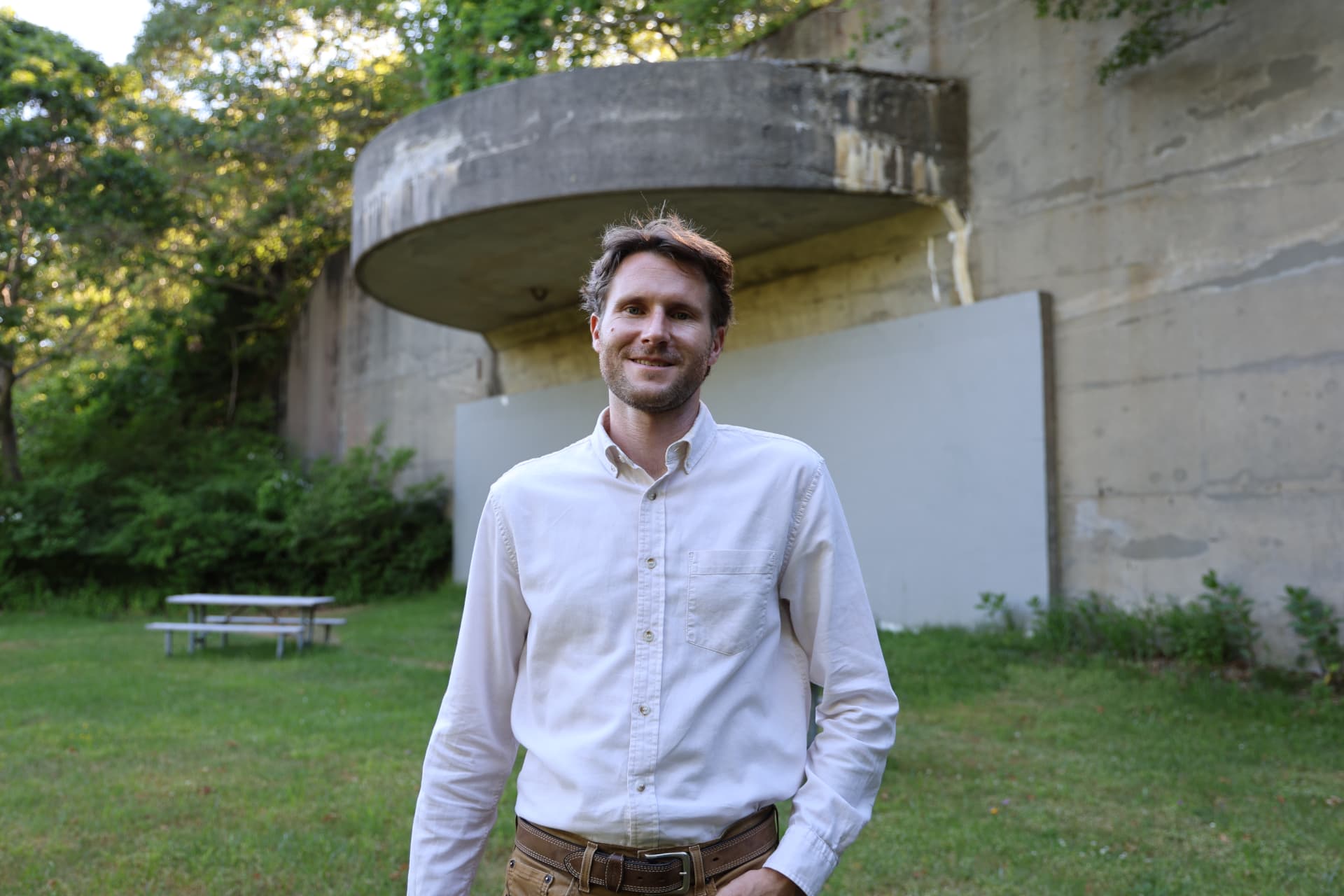
Framing Dean’s journey are two additional perspectives: archivist Brian E. Minnick, author of Montauk Is Strange, who began chronicling Camp Hero in 1988 and whose early visits and decades of exploration grew into a lifelong archive of the base’s mysteries. Having appeared on several network television programs documenting Montauk, Brian brings firsthand experience and extensive knowledge to the subject. Historic preservation specialist D.J. Sevigny brings expertise in military history and preservation through his current work at Fort Bliss, a United States Army post. He provides critical context by placing decades of folklore alongside the documented history of the installation.
Together, their stories reveal the complex legacy of a forgotten military site—where documented history, personal memories, and enduring folklore converge. Beyond the legends, Montauk: Off the Record uncovers the human stories that continue to shape the mystery of Camp Hero and asks what remains when history and myth become inseparable.